Forged Components Supplier & Manufacturer
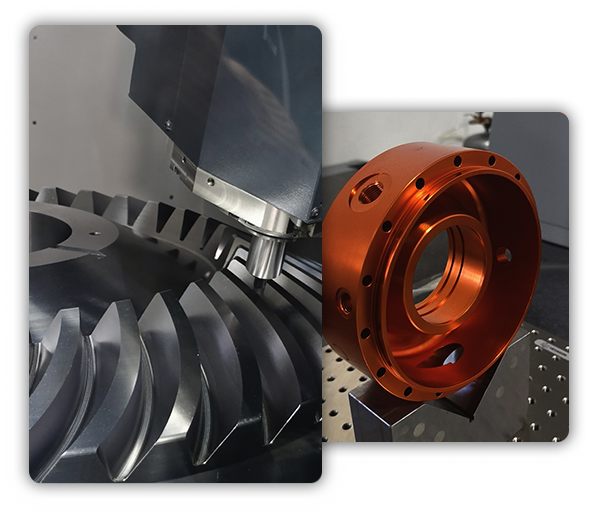
Using our global network of forging manufacturers, Darian supply high-quality forged components to OEM’s in small or large volumes, produced through upset and open/closed-die processes to meet your exact specifications.
Benefits of Forgings
For more than 40 years, Darian has been the accountable partner global brands rely on for the supply of precision-forged products. From selecting the right forging specialists to overseeing tooling, quality compliance, logistics, and final delivery, we provide a dependable, end-to-end solution that removes the challenges of fragmented supplier management.
Supported by a rigorously vetted global forging network and a strong presence across Europe and Asia, we build resilience, reduce risk, and simplify your supply chain.
Forgings have become a trusted choice across global industries thanks to their exceptional strength, reliability, and ability to deliver consistent performance in demanding applications.
Some of the key ways forgings can enhance your products include:
- Unmatched Strength & Reliability: Forgings from Darian offer exceptional mechanical strength and structural integrity, making them ideal for applications where durability, load-bearing capacity, and impact resistance are critical. The forging process aligns and refines the material’s grain structure, resulting in components that outperform many other manufacturing methods.
- Design Accuracy & Quality: With upset and open/closed-die processes, forgings deliver precise, repeatable shapes and tight tolerances. Our global partners at Darian use the latest forging technologies to ensure components meet your exact specifications, offering consistency across both small-batch and high-volume production.
- Enhanced Performance in Harsh Environments: Forged components excel in extreme conditions, thanks to their superior metallurgical properties. Whether used in high-pressure, high-temperature, or high-impact environments, forgings provide dependable performance and long service life.
- Cost-Effective Manufacturing: Forgings deliver performance and value across the entire product lifecycle. The forging process enables near-net-shape production and supports the integration of machining, plating, or powder-coating operations, which reduces secondary processing steps, minimises material waste, and improves long-term cost efficiency. Darian leverages these process advantages to supply high-performance forged components for demanding applications to leading OEM’s globally
- Versatile Material Options: We can supply forgings in a wide range of materials, including carbon and alloy steels, stainless steel, brass, and aluminium, allowing you to select the ideal grade for strength, weight, corrosion resistance, or appearance.
- Scalable Production: From low to high-volume production, our supply chain at Darian can scale to your needs. We can deliver everything from small prototype batches to full-volume programmes, supported by tooling designed with advanced in-house technologies for cost-efficient setup.
- Supporting Sustainability Goals: Forging processes optimise material use and can incorporate recyclable metals, helping to reduce waste and support more sustainable manufacturing practices.
Your questions answered:
Is there a minimum order quantity for forgings?
We can offer low, medium and high-volume production utilising single or progression tooling.
What materials can be forged?
Darian supplies forged components in a wide range of materials, including carbon and alloy steels, stainless steels, aluminium, copper-based alloys, and selected high-temperature materials. Material choice is tailored to your performance and application requirements.
What forging processes do you offer?
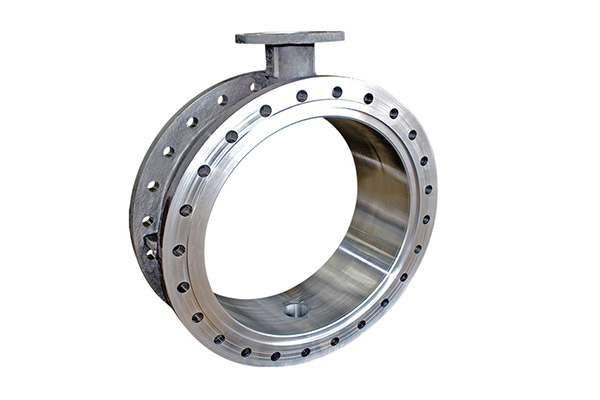
Through our global forging network, Darian provides open-die, closed-die (drop) forging, upset forging, and ring-rolling capabilities. We select the most suitable process based on geometry, volume, and mechanical performance needs.
What are the advantages of forging over casting or machining?
Forged components deliver superior mechanical strength, refined grain structure, and excellent fatigue resistance with minimal porosity. This makes forging ideal for safety-critical and high-load applications.
What tolerances can be achieved with forging?
Tolerances depend on part complexity and the forging method. Closed-die forgings typically achieve tighter tolerances than open-die. Final precision is usually reached through secondary machining, which Darian can fully manage.
Do forged parts require machining afterward?
Most forged components undergo follow-on machining to achieve final dimensions. Near-net-shape forging allows us to minimise machining time and material waste while maintaining accuracy.
What are the typical lead times for forged components?
Standard lead times range from 8–12 weeks, including tooling and sample approval. Once tooling is approved, repeat production is typically 2–6 weeks, depending on volumes and capacity across our global forging partners.
Is custom tooling required?
Closed-die forgings usually require dedicated tooling, engineered specifically for your component geometry. Open-die processes may not require bespoke tooling. Darian manages the full tooling design, manufacture, and approval process.
Can Darian supply complex forged shapes?
Yes. Our closed-die forging partners specialise in complex geometries, while open-die capabilities support larger or simpler shapes. We match the process to your functional, dimensional, and structural requirements.
What information does Darian need to provide a quotation?
We require an engineering drawing, material specification, and expected production volumes. A sample part—if available—helps accelerate evaluation. All enquiries are handled with strict confidentiality under a signed NDA.
What quality standards do your forged products meet?
Darian delivers forgings manufactured to international standards such as EN, ISO, and ASTM. Depending on your needs, we manage full PPAP documentation, tensile and hardness testing, dimensional reports, and NDT methods including ultrasonic and magnetic-particle inspection.
Are forged components cost-effective?
Yes. The forging process offers excellent material efficiency and enables near-net-shape production, reducing waste and long-term manufacturing costs—especially for medium to high volumes. Darian ensures process and partner selection that delivers maximum value.
Who We Are
A dependable supply partner for bespoke manufactured components
Since 1986, Darian has supplied customer-specific engineered components to manufacturers across the UK and Europe.
We manage technically demanding component programmes across casting, forging, machining, pressing, stamping, fabrication and assembly. Customers deal directly with Darian for quotation, technical coordination, production management, quality, documentation, scheduling and delivery.
Our established international manufacturing capability allows us to select the appropriate production route for each requirement while maintaining clear accountability through one experienced UK-based supply partner.